


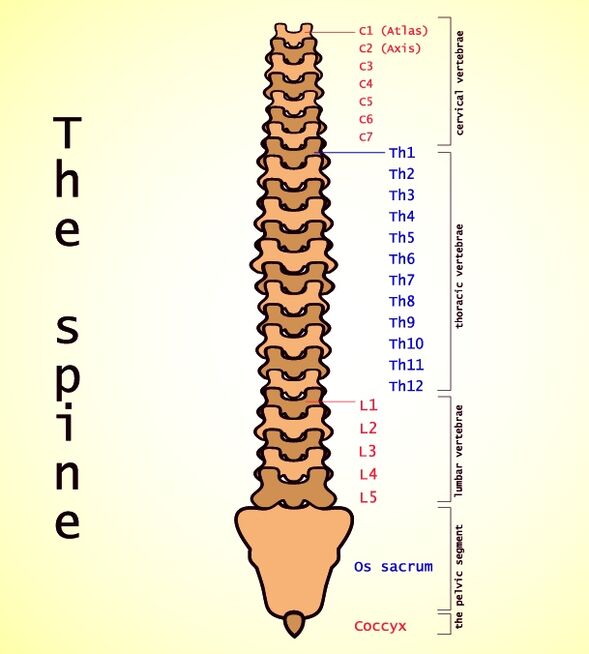
Osteochondrosis is a disease of the spine in which the intervertebral discs (and subsequently the vertebral bodies, joints and ligaments) lose their ability to function normally.
The lumbar spine is very vulnerable to disorders such as osteochondrosis.
The symptoms of lumbar osteochondrosis are often quite difficult to identify, since the course of the disease has many forms.
Symptoms
At the beginning of development, the symptoms are very mild: patients mainly complain of pain in the lumbar region, which intensifies with movement and bending.
After 1-2 years from the onset of development of lumbar osteochondrosis, pain may spread to the buttock or groin area.Stiffness of movements occurs in the lumbar region.
Lumbar osteochondrosis develops slowly, but over time, periods of exacerbations occur more often, and symptoms intensify as more and more new vertebrae continue to be affected.
The most common variant of lumbar osteochondrosis is chronic lumbodynia.With this form, the following symptoms are observed:
- The appearance of symptoms occurs in periods, waves.
- Not very intense pain in the lumbar region, worsening in the morning.
- Stiffness in the back.
- The pain subsides after 30 minutes, but even minor stress can trigger it again.
- There may be a sudden increase in pain, a “lumbago”, usually also due to physical exertion – acute lumbago.Symptoms of acute lumbago can appear for 1-2 weeks, after which they are replaced by symptoms of chronic lumbago.
Treatment of lumbar osteochondrosis
The same symptoms can be signs of different diseases, and the disease may not proceed according to the textbook.Do not try to treat yourself - consult a doctor.
During an exacerbation, hospital stay for a week is indicated.The patient is recommended to rest in bed; it is recommended to walk with the help of crutches, thus unloading the lumbar region.
To treat lumbar osteochondrosis, various spinal tractions and back massage are performed.
Drug therapy includes analgesics, sedatives, and vitamins.In some cases, blockade with anesthetics is indicated.
Physiotherapy includes ultraviolet irradiation of the lower back, electrophoresis with novocaine and ultrasound therapy.
Therapeutic exercises for lumbar osteochondrosis are a mandatory part of treatment.It is designed to strengthen the back muscles.
Exercises include flexion and extension, abduction and adduction, and rotation.Exercises in the pool are most effective, since water reduces the load on the spine.
When the symptoms of lumbar osteochondrosis worsen, as well as when it is combined with spina bifida, therapeutic exercises consist of breathing exercises.
At home, a good effect in the treatment of lumbar osteochondrosis is provided by daily smearing of painful areas with iodine, as well as pepper plaster and mustard plasters.
Traditional medicine for lumbar osteochondrosis includes warming compresses with birch leaves or black radish juice.
Proper nutrition can significantly improve your condition.